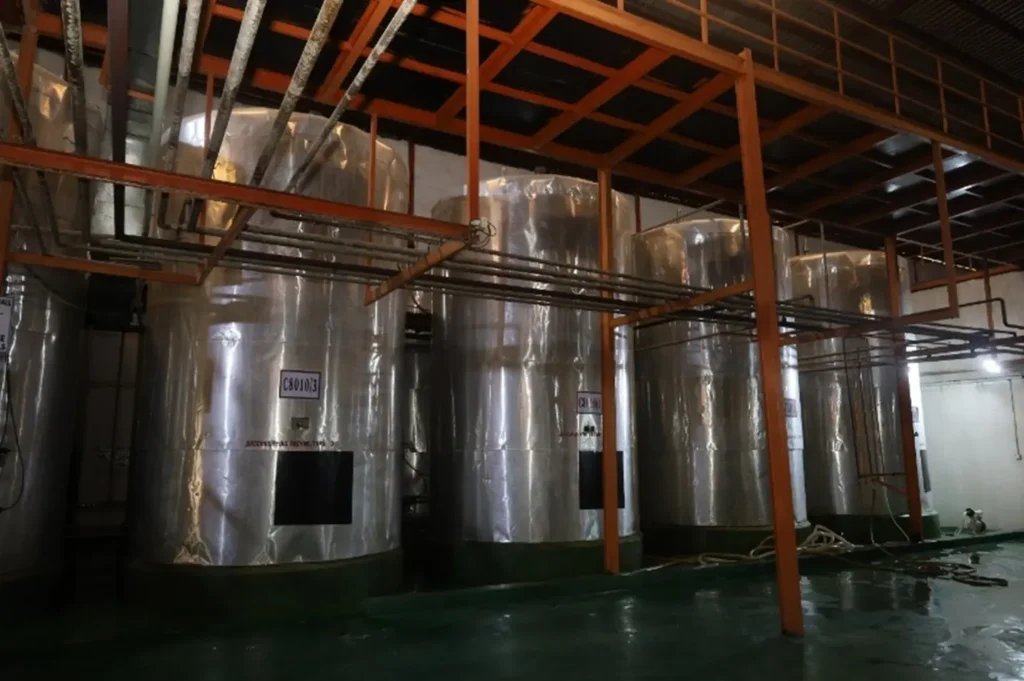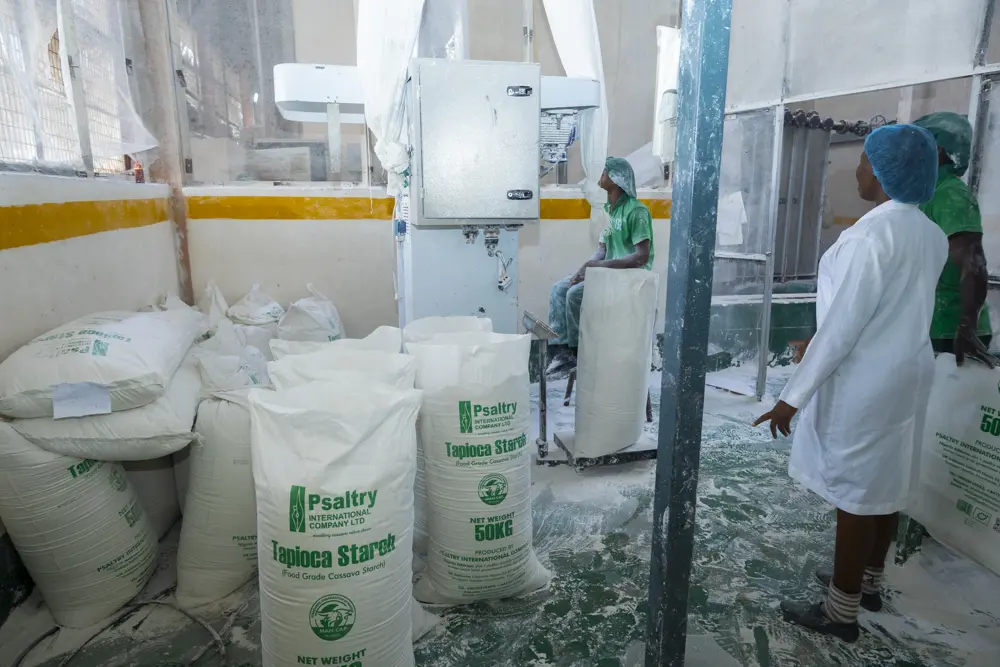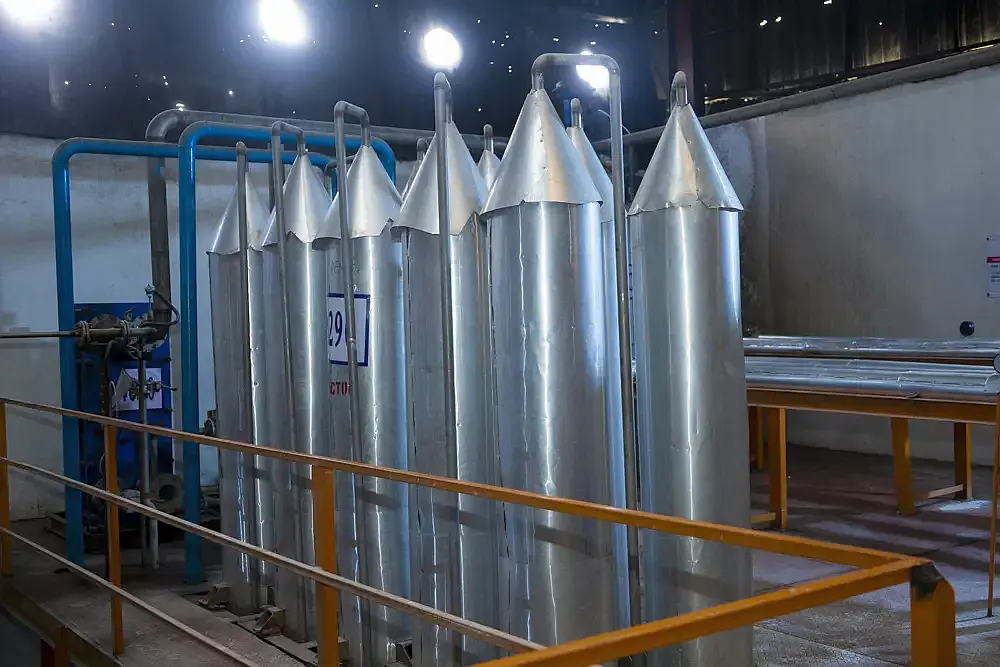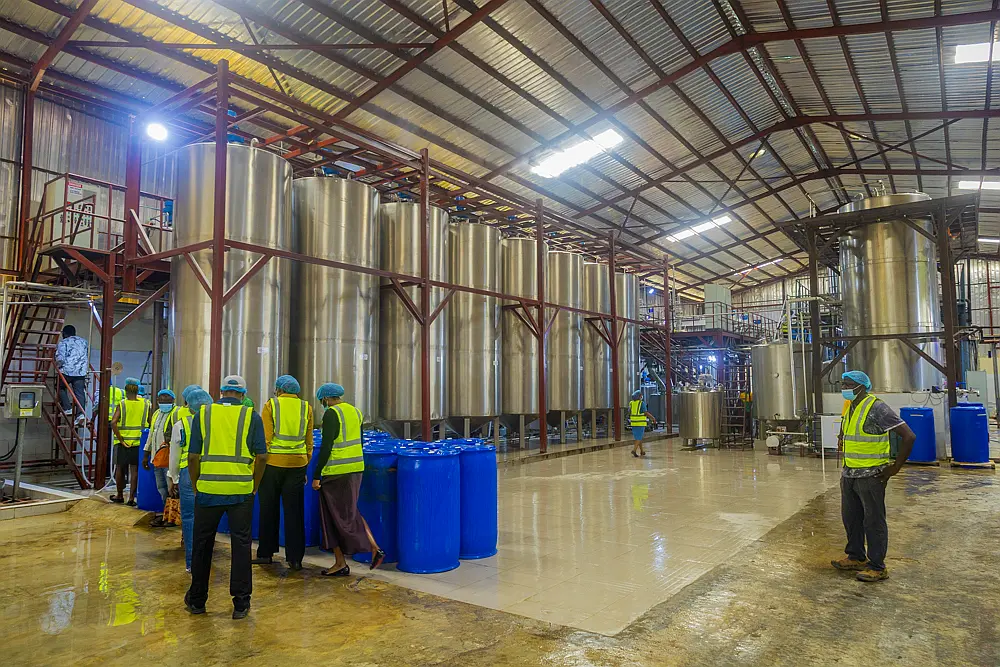

Cassava processing presents a compelling investment opportunity, yet many small-and medium-sized processors struggle to access the capital needed to build or scale their businesses.
Given its mandate to mobilise up to $300 million into Nigeria’s cassava processing sector, NCIA has built a pipeline of 26 investment opportunities in cassava processing, worth over $330 million. To date, NCIA has facilitated investments totalling $21 million into such projects.
Across these engagements with processors and financiers including commercial lenders, development finance institutions and impact investors, weak investment readiness recurs as the constraint that most often stalls otherwise promising investment deals.
In practical terms, many processors are unable to demonstrate, with sufficient evidence, that their businesses can support the financing they seek.
That readiness gap tends to surface in four recurring areas: market feasibility, commercial feasibility, operational feasibility, and financial health.
Market feasibility
The first step is establishing a viable market opportunity for the cassava derivatives (high-quality cassava flour, starch, sweeteners, or ethanol) they produce. There should be verifiable evidence of the market size and growth potential.
Also, the competitiveness of the derivative should be assessed on price and quality, together, against existing substitutes in the market. Our engagements with offtakers suggest that price alone rarely drives a switch. Buyers also need confidence that the product can consistently meet specifications, ideally demonstrated through successful trials.
Commercial feasibility
Two of the most common constraints to closing cassava processing deals are unsecured demand and unreliable feedstock.
On the demand side, funders look for commercial commitments covering a substantial share of output. From our engagements with equity investors and lenders, commitments covering more than 60% of planned production give confidence that projected revenues are tied to identifiable customers. These commitments should define volumes, product specifications and commercial terms.
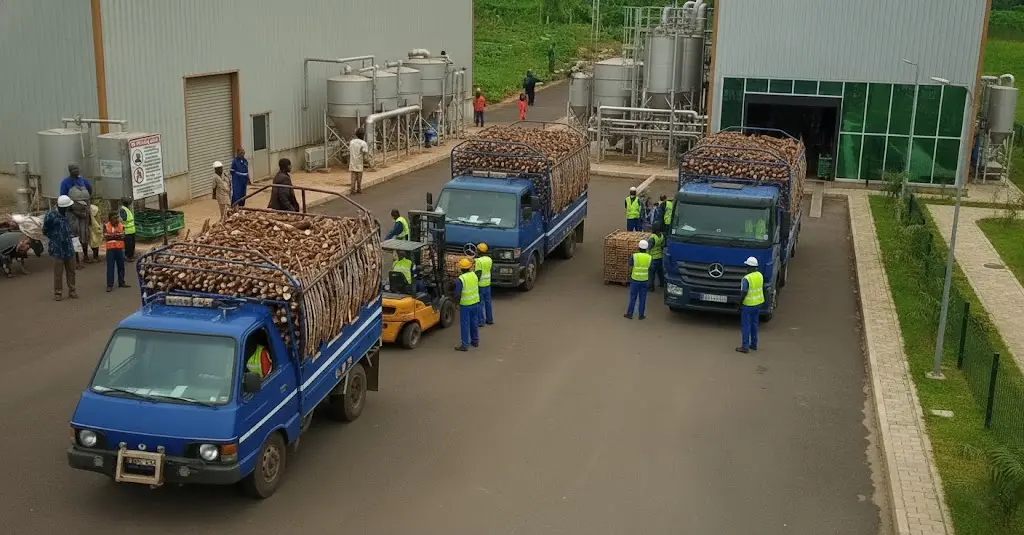
Buyer concentration also matters. Where a single buyer accounts for more than 30–40% of projected sales, the business may be significantly exposed if that relationship is lost.On the supply side, processors need to demonstrate reliable access to feedstock. Because fresh cassava roots deteriorate rapidly after harvest, processors cannot rely on stored raw material inventory. They require a continuous, well-coordinated supply of roots to operate processing plants efficiently.
From our engagements with commercial lenders, an indicative benchmark is for processors to produce around 40% of their own feedstock. The balance may be secured through outgrower schemes or aggregators rather than relying heavily on the spot market.
Operational feasibility
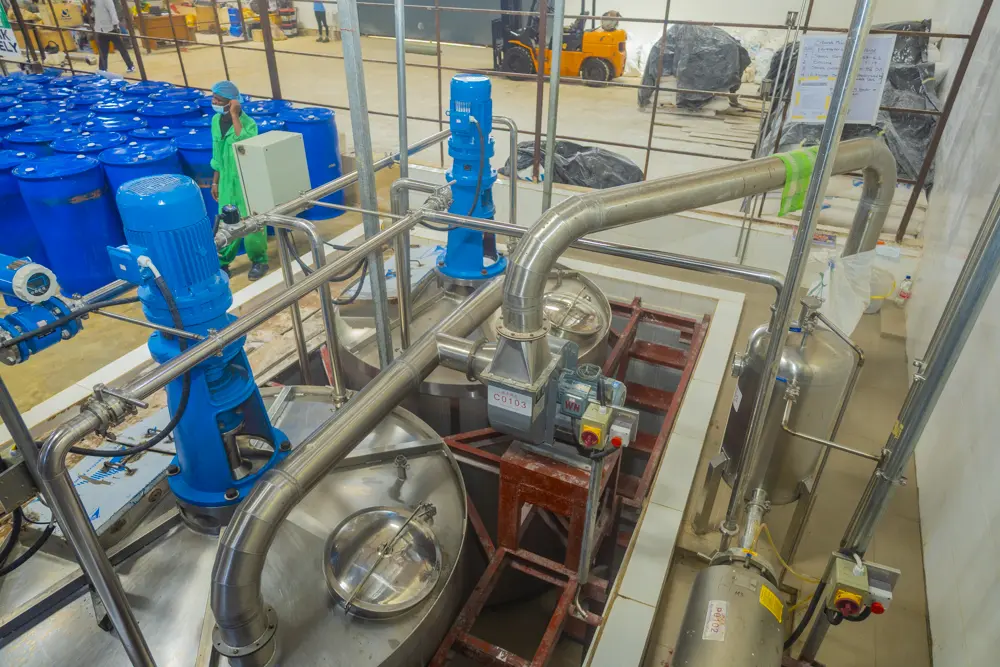
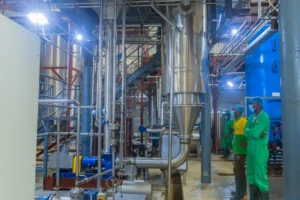
Funders also look for evidence that a processor has the capability to execute their proposed business model. This includes having critical technical functions in place, supported by experienced personnel across production, quality assurance, equipment maintenance and feedstock management.
The scope of the proposed operation also affects how funders assess execution risk. Greenfield projects involving several products or processing lines may carry greater operational complexity. From our engagements, such projects may be better positioned, when they begin, with one or two derivatives before expanding into more technically complex product lines.
Processors must also demonstrate that they can consistently meet required product quality. Regulatory approvals, standards and food safety requirements should be secured or well advanced, including applicable SON and ISO 22000 standards, NAFDAC requirements, and HACCP systems. These should be supported by documented quality systems, testing protocols and standard operating procedures.
Financial Health
Financial credibility remains a significant barrier to investment readiness, particularly where processors lack the records needed to demonstrate historical performance. Demonstrating readiness requires financial information, including financial statements and a financial model that sets out the assumptions underpinning projected revenues and attractive returns.Our engagements with development finance institutions also reveal the importance of meaningful sponsor equity. This demonstrates the sponsor’s commitment to the project and provides a buffer against early setbacks.For a greenfield project with no historical performance to show, projections should be supported by feasibility studies, supplier quotations, pilot results and comparable operating benchmarks.
Bringing the Evidence Together
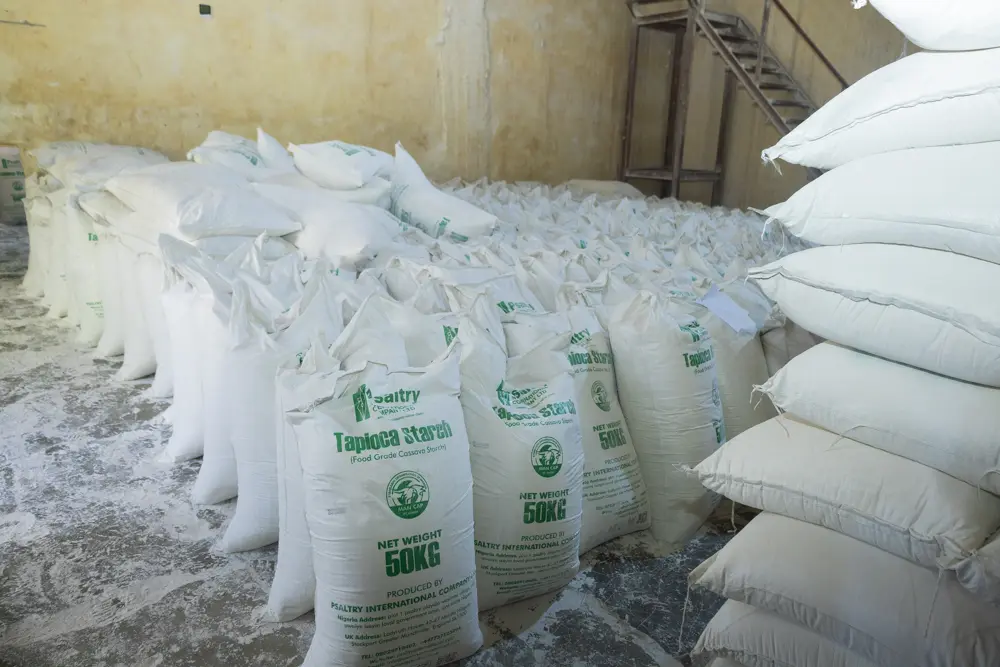
Investment readiness is often within a processor’s ability to strengthen. Across these four areas, the evidence comes together in a credible, evidence-backed business plan that demonstrates that the market can absorb the output, that demand and feedstock are secured, that operations can deliver, and that the financial assumptions are sound.
Processors who demonstrate this level of readiness are better positioned to meet investor expectations and secure the capital they need to grow.