
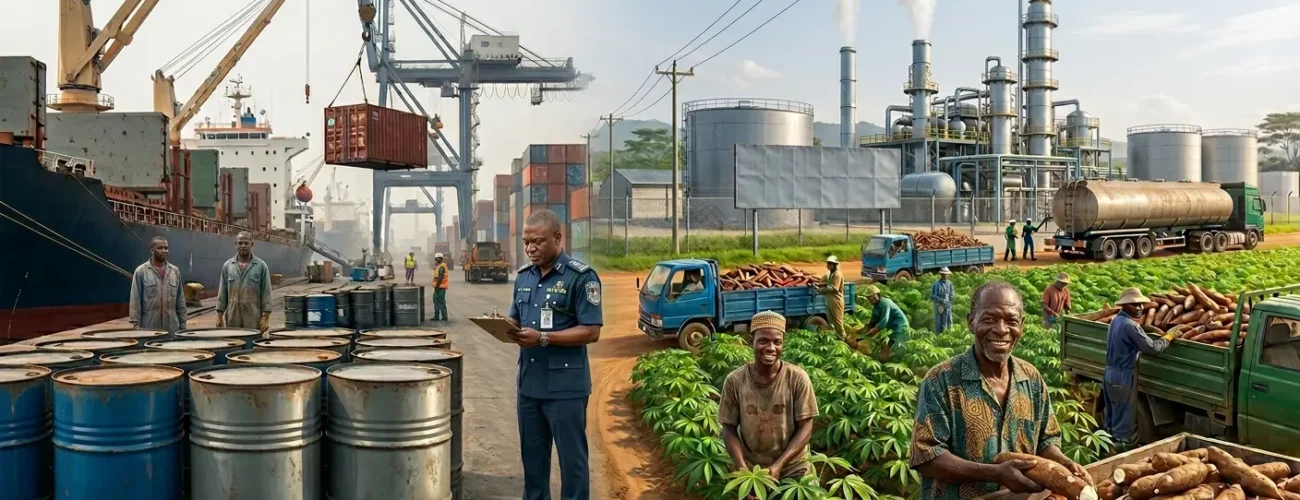
Nigeria Imports the Ethanol Its Cassava Could Produce: What It Would Take to Change That
Nigeria’s ethanol demand reached 400 million litres in 2024, based on our analysis, and is expected to continue growing. Analysis from Clean Technology Hub indicates that about 75 percent of demand (roughly 300 to 350 million litres) is met through imports, while domestic production accounts for
Read More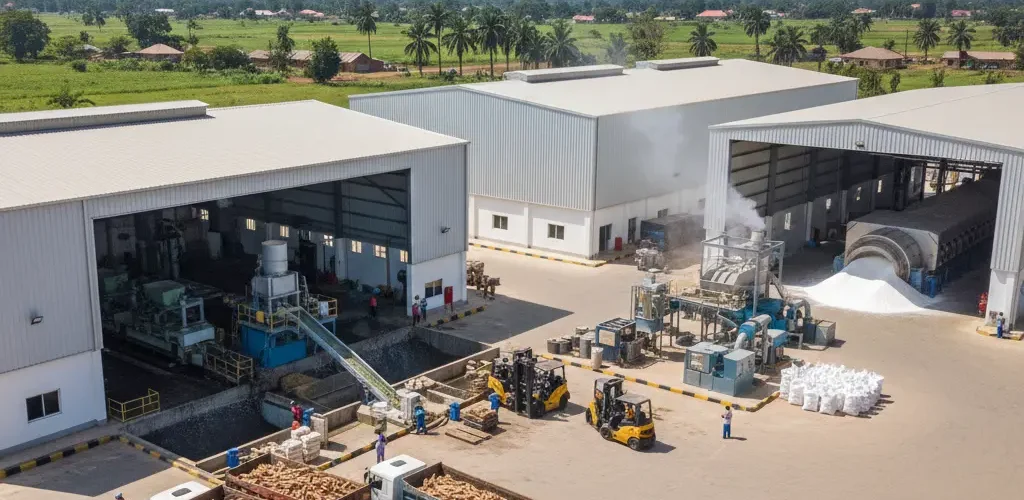
Cassava Processing in Nigeria: Solving the Feedstock Supply Challenge
Investment in Nigeria’s cassava sector has been growing. Processing plants have been commissioned, capacity has expanded, and the policy environment has broadly supported industrialisation. On paper, the sector appears to be gaining momentum. Yet, a different picture emerges at plant level. Insights from industry engagement show
Read More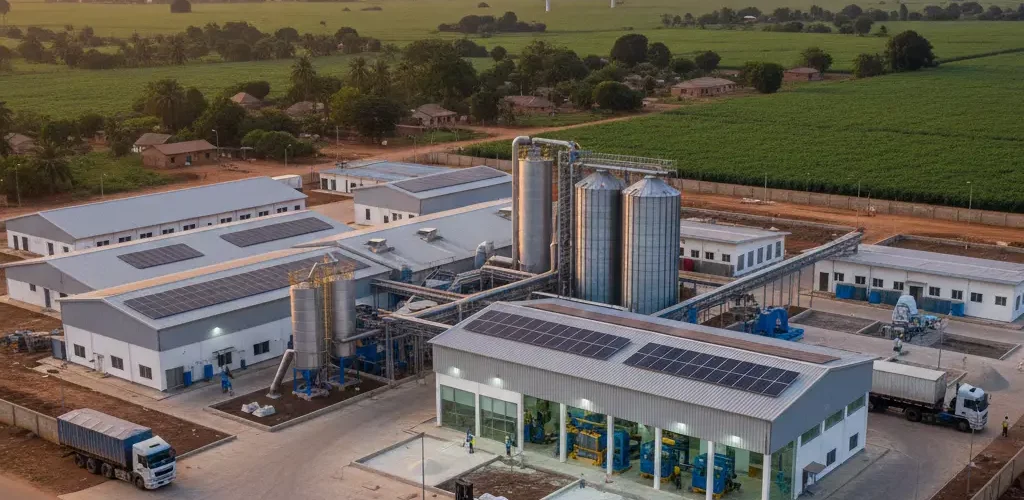
Cassava’s Next Frontier: How Global Innovation Points to New Industrial Opportunities for Nigeria
Cassava has long been viewed in Nigeria as a subsistence crop, a reliable staple that helps households navigate rising food prices and economic uncertainty. It is grown for resilience and consumed for survival, forming the backbone of food security for millions. Yet outside Nigeria, cassava is
Read More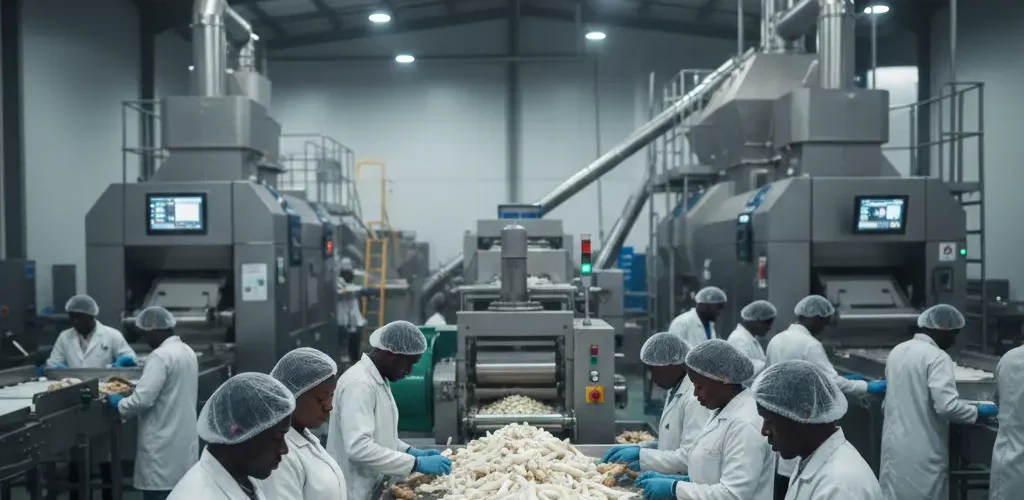
Why Cassava Pre-Processing Is Key to Industrial Growth in Nigeria
Cassava is one of Nigeria’s most important crops, with the potential to drive industrialisation and diversify exports at an unprecedented scale. Yet despite the country’s position as the world’s largest producer of cassava, its industrial use remains unpredictable and difficult to sustain. The constraint is not
Read More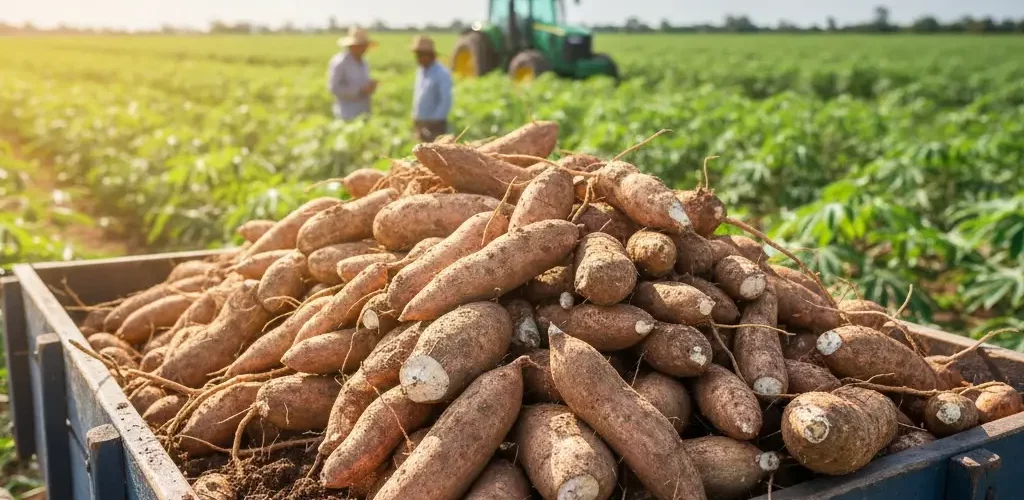
The Missing Pillar: Why Fit-for-Purpose Finance Matters for Nigeria’s Cassava Industrialisation Future
Nigeria is the world’s largest producer of cassava, yet the crop remains underleveraged as an industrial commodity. Processing capacity is expanding, new markets are emerging, and demand for cassava derivatives remains strong. But one constraint appears across every segment of the value chain: finance rarely matches
Read More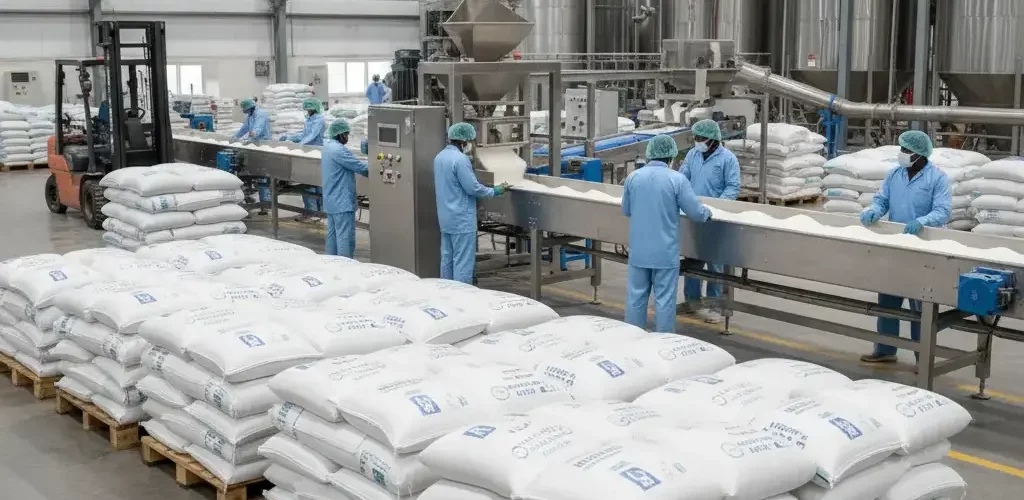
Unlocking Nigeria’s Cassava Potential: What It Will Take to Scale High-Quality Cassava Flour (HQCF)
In October 2025, the Cassava Flour (Mandatory Inclusion in Flour Production) Bill, 2022 reached the public hearing stage in the Nigerian Senate, renewing national focus on cassava and signalling political will to drive local agricultural value addition. In parallel, the Federal Ministry of Agriculture and Food
Read More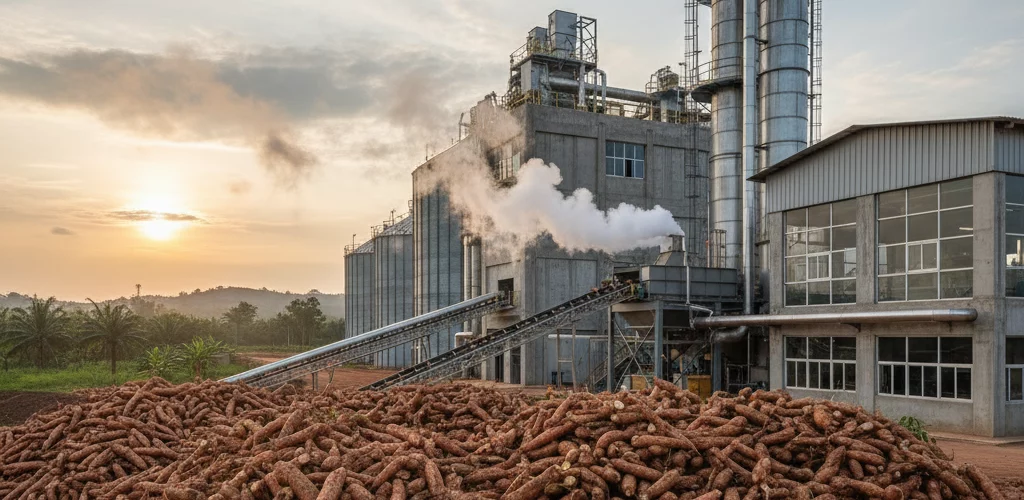
Strengthening Infrastructure for Cassava Industrialisation: A Processor’s Perspective
Editor’s note: This guest contribution shares the perspective of a private-sector operator in Nigeria’s cassava value chain. It reflects on the infrastructure, technology, and financing challenges that shape cassava processing, and offers insights into the investments needed to unlock the sector’s full industrial potential. Nigeria is
Read More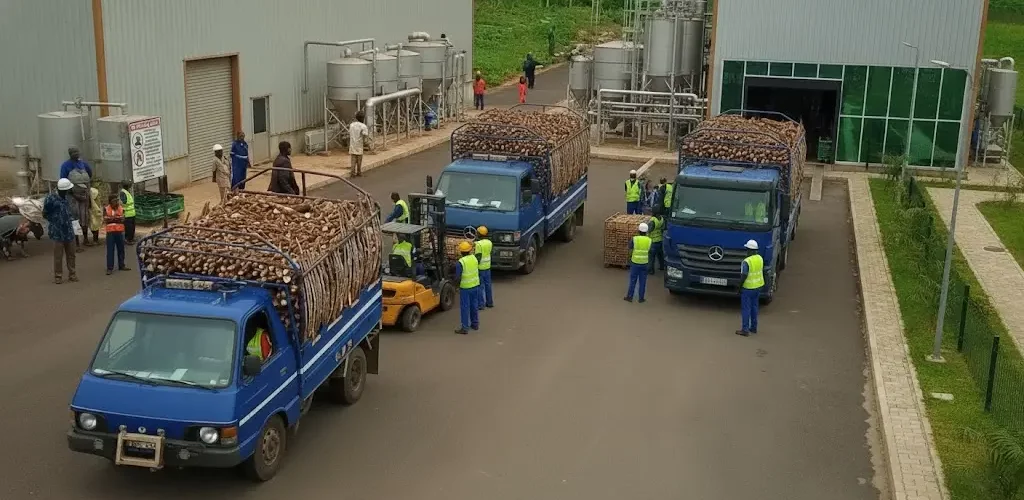
From Roots to Riches: Success Stories Driving Cassava Industrialisation in Nigeria
The insights shared here also informed recent features in Vanguard Newspaper and Business Day. Unleashing Nigeria’s Cassava Potential Nigeria’s cassava industry is evolving from smallholder productions to an industrial ecosystem powered by private investment and innovation. A growing number of agro-industrial firms are proving that cassava
Read More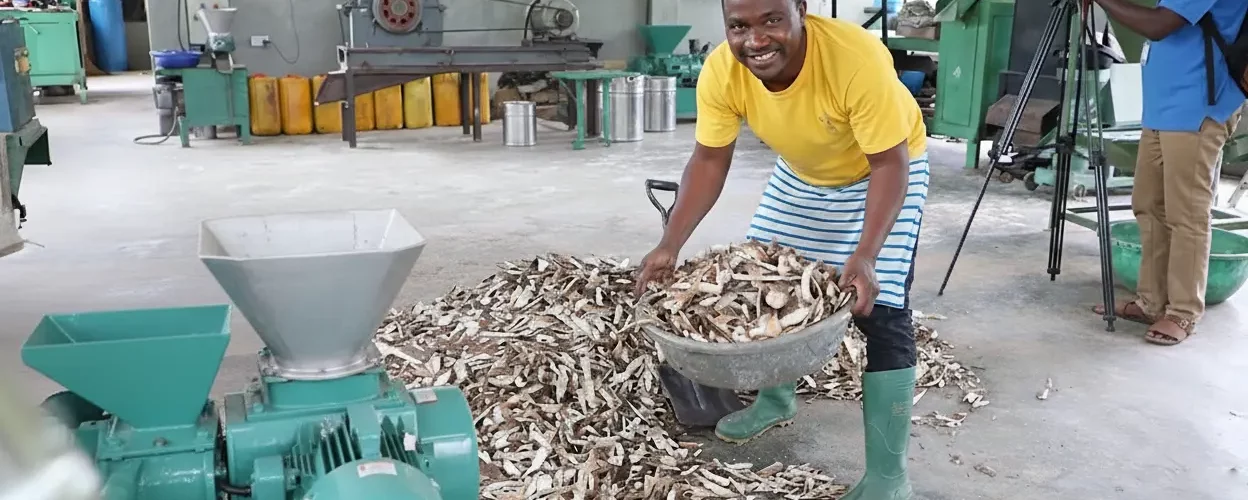
Sustainable Cassava Industrialisation in Nigeria: Turning Waste Into Wealth
Globally, cassava processing is a $183 billion industry, yet Nigeria captures only about 2% of this value. Most cassava in Nigeria is processed into staple foods such as garri and fufu, rather than higher-value products like starch, sweeteners, or ethanol. This leaves significant industrial and employment
Read More
Partnering for Impact: NCIA and IDH Nigeria
The Nigeria Cassava Investment Accelerator (NCIA) team recently visited the Lagos office of IDH, The Sustainable Trade Initiative. The meeting brought together leaders from both organisations to explore areas of alignment in driving cassava industrialisation in Nigeria. Representing IDH were Eniola Fabusoro, Country Director, and Promise
Read More