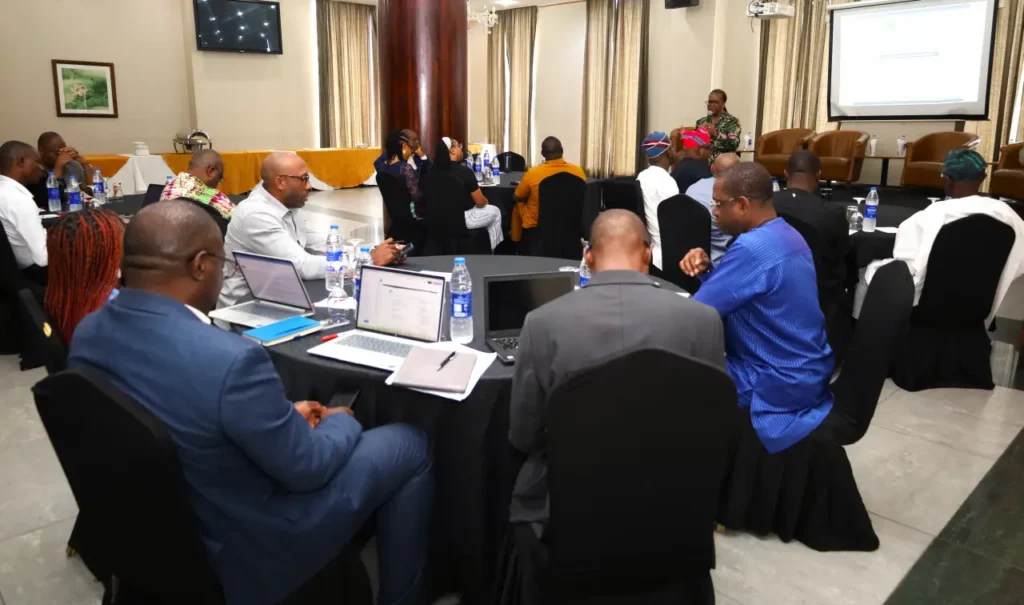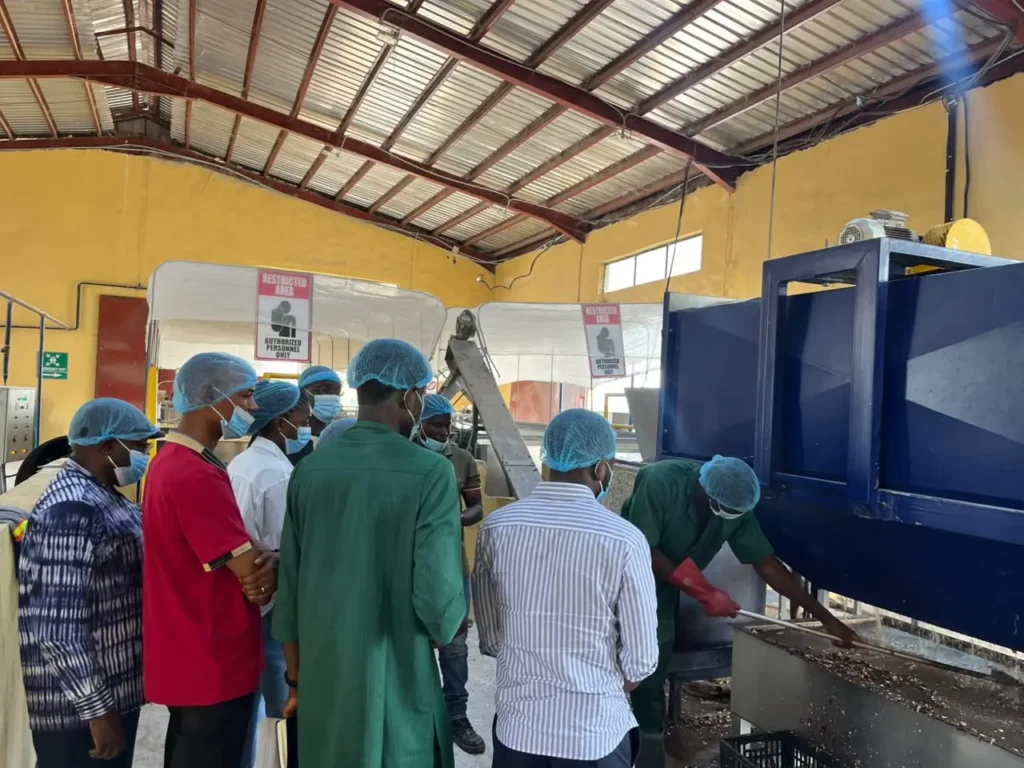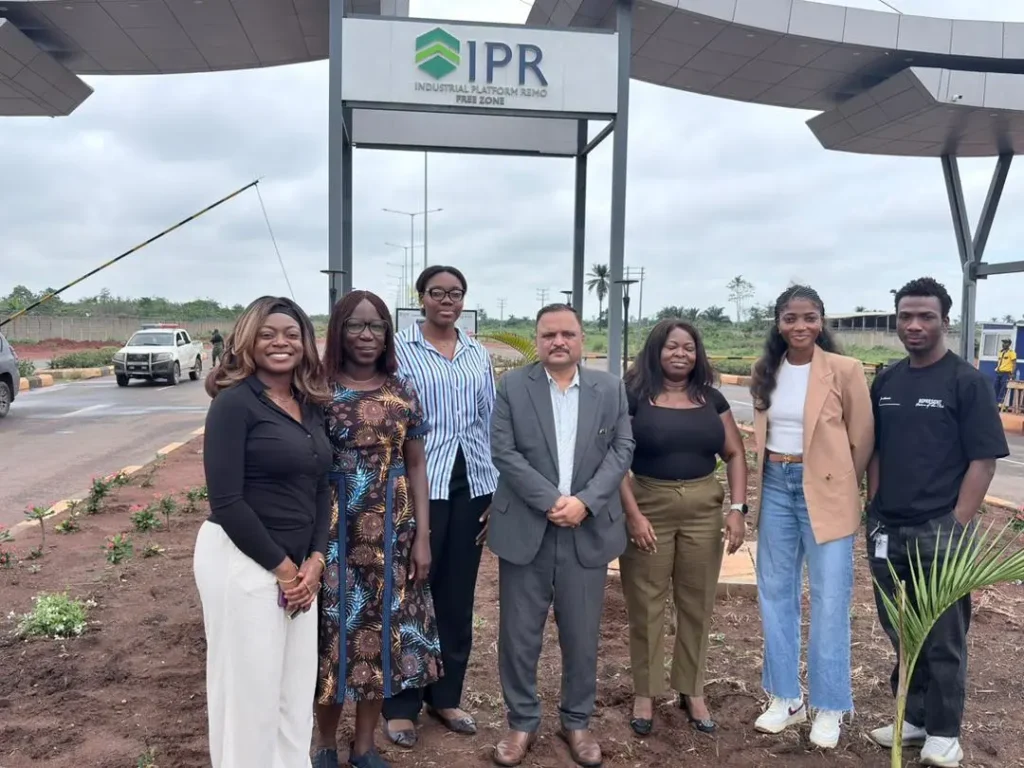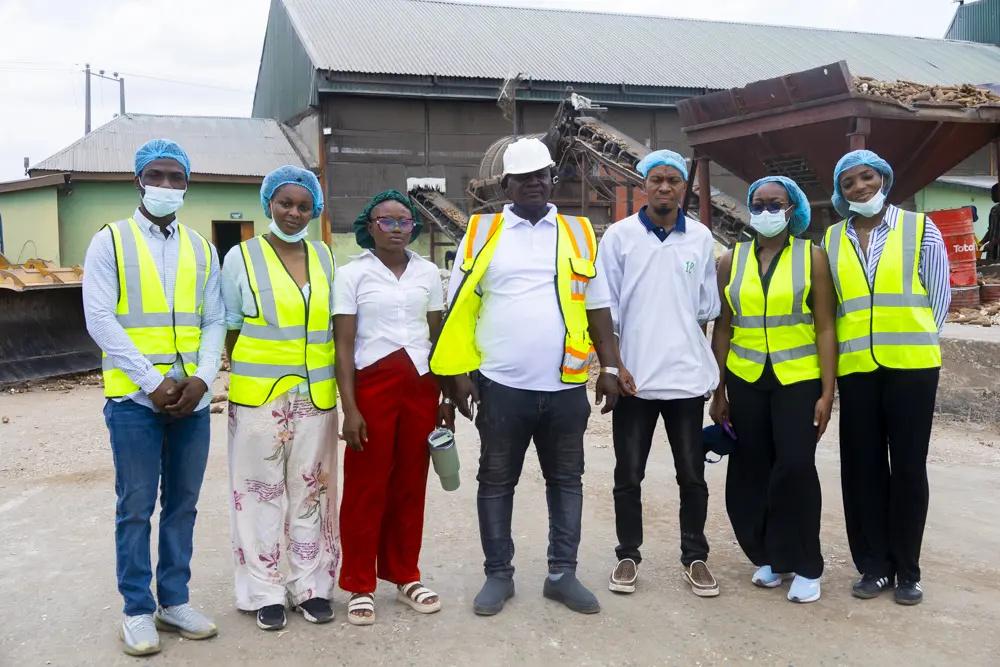
At this year’s World Cassava Day, leaders in agricultural finance and agribusiness gathered in Abuja to discuss how Nigeria can improve access to finance for cassava industrialisation.
The panel discussion highlighted how ecosystem coordination – not just capital – is key to unlocking inclusive growth across the value chain.
Finance Is Not the Only Challenge
The discussion opened with a key message: finance alone isn’t enough. Many challenges – like low crop yields, poor farming practices, and high post-harvest losses – must be addressed before funding can make a real impact.
As Sterling Bank explained, banks are now taking a broader view. Instead of just financing individuals, they look at the entire cassava ecosystem – farmers, processors, infrastructure, and markets – so that financing can work more sustainably.
Stronger Farmer Groups Make Financing Easier
NIRSAL focused on how to overcome one of cassava farmers’ biggest barriers to accessing finance: fragmentation. Smallholder farmers often work in isolation, which makes it difficult for banks to lend to them.
By helping these farmers organise into cooperatives and producer groups, NIRSAL is making it easier to deliver funding. They also offer credit guarantees and help manage risks, which gives banks more confidence to invest.
Mixing Capital to Reduce Risk
NADF is using a combination of grants, loans, and equity to support cassava businesses. Their goal is not just to provide money, but to build a stronger market system – especially in areas like cassava stem supply, agro-processing, and innovation.
NADF also works closely with other partners to help bring in more investors and reduce the risks that often scare them away.
Funding Must Lead to Real Results
BOA reminded the audience that loans must lead to clear, measurable outcomes. They prefer to fund farmers and processors who can show a strong business plan, good farming practices, and a clear market for their products.
Instead of simply giving out loans, they link funding to productivity gains and end-market demand.
Agribusinesses Are Building Ecosystems Too
Cavista Holdings shared how they are growing cassava on a large scale while also supporting nearby farmers. Their model includes guaranteed offtake, shared processing services, and concessional loans with flexible repayment terms.
By combining cultivation, aggregation, processing, and trade, Cavista creates value for both itself and the wider cassava community.
A New Way to Fund Farmers and Processors
One of the most exciting ideas discussed was a joint financing model from NADF, Sterling Bank, and Cavista Holdings. It allows smallholder farmers to get loans for growing cassava while also supporting community-level processing hubs.
This bundled approach helps farmers earn more per tonne and makes loan repayment more feasible. It also strengthens the local supply chain and could be scaled up nationwide.
Working Together Is the Way Forward
Across the discussion, everyone agreed: the key to unlocking finance is collaboration.
We need to:
- Build stronger farmer groups
- Improve productivity and reduce losses
- Share infrastructure like processing units
- Align public and private sector efforts
As the Nigeria Cassava Investment Accelerator (NCIA) continues to facilitate cooperation across the value chain, one message is clear: Nigeria’s cassava sector will only succeed if everyone works together – not in silos, but as a connected ecosystem.
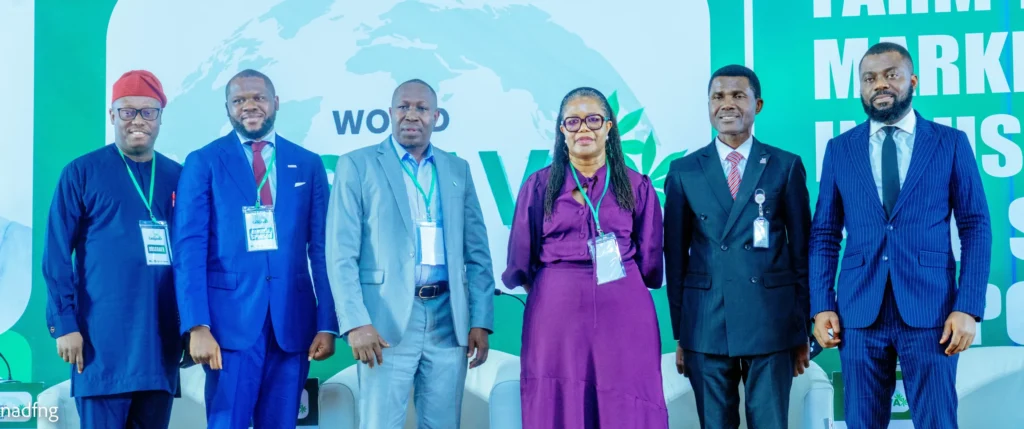
Panelists at a Glance
The panel discussion was moderated by Professor Olayinka David-West, Dean of Lagos Business School and NCIA Project Lead.
Panelists included:
- Olushola Obikanye Group Head, Agric Finance and Solid Minerals, Sterling Bank
- Baba Robert Head, Agricultural Value Chain Production, Integration and Services, NIRSAL
- Ayodeji Sotinrin Managing Director and CEO, Bank of Agriculture
- Ernest Ihedigbo General Manager, Technical Services National Agricultural Development Fund (NADF)
- Kabir Shagaya Director of Strategy, Cavista Holdings